You walk into a room and instantly feel it—something is either working or it isn't.
Sometimes it's hard to say why a space feels calm and inviting, while another feels slightly unfinished.
The difference is rarely about expensive furniture. More often, it comes down to small decoration decisions that quietly shape how a room behaves.
The good news is that these adjustments don't require major changes. Just a few thoughtful touches can completely shift the atmosphere.
Layering Light Instead of Relying on One Source
A common mistake in home decoration is depending on a single ceiling light. While it may illuminate the room, it often flattens everything visually.
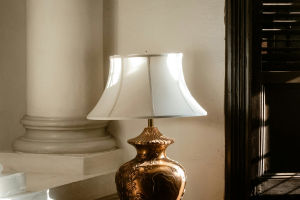
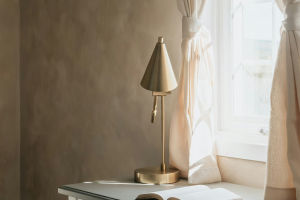
A better approach is layering light at different heights. A table lamp near the sofa creates warmth at eye level. A soft floor light in a corner adds depth. Even small accent lights on shelves can change how shadows move through the room.
When light comes from multiple directions, the space feels more natural and less rigid.
Letting Textures Do the Work
Color often gets all the attention, but texture quietly does most of the visual work.
A smooth surface next to a woven fabric creates contrast without needing bold patterns. A wooden element beside a soft textile adds warmth instantly. Even something as simple as a textured cushion can break visual monotony.
1. Mix soft and structured materials
2. Avoid repeating the same surface feel everywhere
3. Use contrast to create subtle visual interest
These small differences make a room feel more layered and lived-in.
Arranging Objects with Breathing Space
Crowding items together often makes a space feel smaller and visually noisy. Giving objects room to “breathe” changes everything.
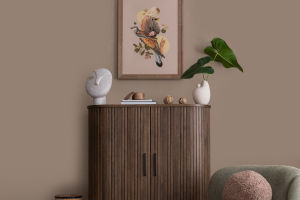
Instead of filling every surface, leaving gaps between decorations allows each piece to stand out. A single vase on a table can feel more intentional than several objects grouped tightly together.
Negative space is not empty—it's part of the design.
Using Height Variation for Natural Flow
Rooms feel more dynamic when objects are placed at different heights. If everything sits at the same level, the eye moves quickly without interest.
Try combining tall elements like plants or lamps with mid-height frames and low decorative items. This creates a visual rhythm that guides attention naturally across the room.
Even small adjustments—like stacking books under a lamp or placing art slightly higher—can shift the entire balance.
Bringing Subtle Green Elements In
A touch of greenery often adds life to a space without overwhelming it. It doesn't need to be large or dramatic. Even a small plant on a shelf can soften edges and add freshness.
Plants introduce natural variation in shape and tone, which helps balance structured furniture and straight lines. Over time, they also make the space feel more connected to the outside world.
The effect is quiet but noticeable.
In the end, home decoration is less about filling space and more about guiding it. Light, texture, spacing, height, and small natural touches all work together like silent tools. When they are balanced well, a room doesn't just look better—it feels easier to be in.